NO MORE CHEAP TOBACCO
The tobacco industry spends over $7 billion dollars a year to keep tobacco prices low because of the overwhelming evidence that cheap products make it more likely youth will get hooked and smokers will have a harder time quitting.
Nearly 70% of tobacco users want to quit; half make an attempt each year; fewer than 10% are successful — but more succeed when fewer cheap products are available.

Stock photo. Posed by model.
“We don’t need to have that happen again.”
— Tobacco industry executive reacting to 1982–83 price increases that caused 2 million adults to quit smoking and kept 600,000 teenagers from starting.
HOW WE CAN STOP THEM
End the Sale of Tobacco Products
For jurisdictions eager to lead, ending the sale of tobacco products altogether is a comprehensive way to stop pricing strategies from targeting youth and other price-sensitive groups.
Manhattan Beach, Beverly Hills, Tiburon, Ross, Corte Madera, and Mill Valley have adopted local laws ending all tobacco sales. Santa Cruz, Capitola, and Santa Cruz County will not allow sale of filtered cigarettes or cigars beginning in 2027.
AN IMPORTANT STEP
Stop Big Tobacco’s pricing schemes with comprehensive Tobacco Retail Licenses that require:
MINIMUM PRICE
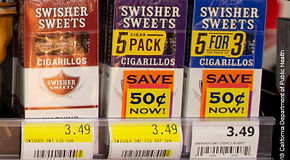
Teens smoke cigarillos more than cigarettes, at least partially because cigarillos are so much cheaper — under $1! The Surgeon General recommends a $10 minimum price for cigarettes, and a growing number of communities require minimum prices for cigars and cigarettes.

MINIMUM PACK SIZE
Federal law requires a minimum pack size of 20 for cigarettes to stop stores from selling single cigarettes (aka “loosies”), but cigars are exempted. Single cigars are sold in local stores for well under $1, and packs of 2-6 cigars are nearly as cheap. For this reason, minimum pack size requirements are more effective when combined with minimum price policies.
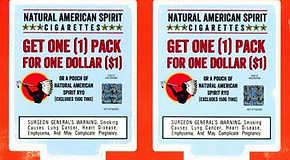
NO TOBACCO COUPONS
Big Tobacco spends hundreds of millions of dollars a year on coupons and other discounts. Access to tobacco coupons makes youth more likely to become addicted and current smokers more likely to keep smoking.